

How Often Should Your Family Visit the Dentist? Guidelines by Age
Explore the importance of regular dentist visits and how they enhance oral health. Discover why your visit to the dentist frequency can change depending on age.

The timeline to visit the dentist changes at every stage of life. Personal risk factors determine how frequently checkups are necessary to prevent serious dental issues.
According to America's Health Rankings, 67.5% of U.S. adults have reported visiting a dentist or a dental clinic within the past year. Still, the importance of dental checkups cannot be understated.
The benefits of regular dentist visits include detecting issues early. Following long-term oral health maintenance tips can lower the risk of cavities and gum disease.
Understanding the reasons for dental visits empowers patients to prioritize preventive care. This knowledge helps with making more informed decisions about scheduling and treatment options for family members.
Learn more helpful tips for healthy teeth in Ashburn, VA, below.
How Often Should Each Family Member Visit the Dentist?
The American Dental Association (ADA) previously recommended that patients visit the dentist twice per year or every six months.
However, now, the recommendation varies based on an individual's needs, such as:
- Patient's age
- Health status
- Oral health conditions
- Existing dental conditions
- Family history
- Lifestyle habits
Regular checkups allow dentists to identify early signs of decay. Preventive care reduces the risk of costly treatments.
Maintaining consistent visits supports overall oral health. Guidance from a dentist helps patients adopt proper brushing and flossing routines.
Healthy habits can lower the likelihood of cavities and gum disease over time. Staying proactive is essential to protecting long-term dental wellness.
Why Does the Importance of Dental Checkups Change With Age?
The importance of dental checkups changes with age because of developmental milestones.
Children need visits to monitor tooth development. Early checkups help detect cavities before they worsen.
Teens may require care for braces or orthodontic adjustments. Wisdom teeth can cause pain or crowding.
Adults face risks such as gum disease. Enamel can wear down over time. Regular dental visits help prevent cavities.
Seniors are more prone to bone loss. Dry mouth increases infection risk. Certain medications affect oral health.
Checkups allow dentists to catch problems early. Receiving personalized care addresses these changing needs.
Monitoring supports long-term dental wellness.
What Are the Most Common Reasons for Dental Visits in Children and Adults?
The most common reasons for dental visits vary by age. Children's dental visits prevent cavities and monitor tooth development.
Receiving regular cleanings helps remove plaque that brushing alone may miss. Fluoride treatments and sealants protect young teeth from decay.
Adults visit to manage gum disease and maintain overall oral health. Fillings repair cavities before they worsen.
Some adults seek care for cosmetic concerns, such as teeth whitening. Wisdom teeth removal is also a common procedure to avoid crowding.
Getting the necessary checkups allows for early detection of oral cancer or other conditions. Both age groups benefit from guidance on brushing and flossing.
Utilizing preventive care reduces future complications.
How Do the Benefits of Regular Dentist Visits Support Long-Term Oral Health?
Regular dentist visits support long-term oral health. One benefit is promoting early detection of bite and jaw alignment issues.
Skilled dentists can identify signs of wear from grinding or clenching. Scheduled appointments help monitor the impact of systemic conditions such as diabetes or heart disease on oral tissues.
Professional guidance encourages proper nutrition to strengthen teeth and gums. Visits provide opportunities to review and update personalized treatment plans.
Dentists can recommend preventative therapies for sensitivity or aesthetic concerns. Consistent care helps maintain functional chewing and speech.
Ongoing evaluations reinforce healthy habits. They prevent minor problems from escalating into major complications.
When Should Seniors Schedule More Frequent Appointments?
NIH MedlinePlus reveals that almost 60% of seniors 65 and older have some form of gum disease. The risk of gum disease increases with age.
Seniors should schedule more frequent appointments when chronic health conditions affect oral stability.
Diabetes affects the delicate tissues in the mouth. Osteoporosis can accelerate bone changes.
Increased medication use may contribute to dry mouth. Reduced saliva can heighten the risk of irritation and decay.
Experiencing difficulty with dexterity may limit effective brushing and flossing. Ill-fitting dentures can cause sores or inflammation.
Changes in appetite or nutrition can impact gum strength. Tobacco use raises dental concerns that require closer monitoring.
Recent dental procedures may require shorter follow-up intervals for older adults.
More frequent evaluations help ensure early management of age-related oral changes.
Does Dental History Affect How Often Checkups Are Needed?
Dental history plays a significant role in determining how often checkups are needed. Understanding past treatment outcomes helps guide future preventive planning.
A pattern of frequent cavities may require closer monitoring. Previous gum treatments can increase the need for further periodontal evaluations.
Patients with a history of past root canals or crowns can benefit from periodic assessment of restoration stability. A history of tooth loss may signal underlying structural concerns.
Continuing orthodontic care requires supervision to maintain alignment. Individuals with past infections may need more frequent appointments.
Reviewing key questions to ask your dentist can clarify any personalized scheduling recommendations.
How Do Lifestyle Habits Influence Recommended Visit Frequency?
Lifestyle habits directly influence how often dental visits are recommended. Frequent consumption of sugary foods increases the risk of decay.
Acidic beverages can weaken tooth structure over time. Tobacco use requires closer oral health supervision.
Alcohol intake may contribute to dry mouth and tissue irritation. High stress levels can lead to clenching or grinding.
Poor sleep patterns may affect immune response and healing. Inconsistent home care routines allow plaque to accumulate more quickly.
Active individuals in contact sports may need monitoring for dental trauma. Following personalized schedules reflects individual risk factors.
At What Age Should Preventive Dental Care Begin?
Preventive dental care should begin in early childhood. Many professionals recommend scheduling a first visit by a child's first birthday.
Early exposure to a dental office builds familiarity and reduces anxiety. Initial appointments focus on assessing oral growth patterns.
Dentists can evaluate feeding habits and pacifier use. Teething discomfort support boosts overall parental confidence.
Monitoring eruption timing helps identify developmental concerns.
Establishing care early creates a foundation for lifelong habits. Preventive visits reinforce more positive experiences.
Beginning young encourages comfort with professional care. It supports steady oral development through adolescence.
Frequently Asked Questions
How Should Patients Prepare for a Dental Appointment?
Preparing for a dental appointment improves efficiency and communication. Patients should update their medical history before arrival.
A list of current medications helps prevent treatment complications. Writing down symptoms ensures nothing important is overlooked.
Bringing prior dental records can support continuity of care. Insurance information should be confirmed in advance.
Arriving early allows time to complete paperwork. Organized preparation helps the dental team provide accurate and personalized treatment.
How Can Oral Health Maintenance Tips Reduce the Need for Extra Treatments?
Oral health maintenance tips help prevent conditions that require corrective procedures. Consistent plaque control limits bacterial growth along the gumline.
Balanced nutrition supports enamel resilience and tissue strength. Proper hydration encourages natural cleansing through saliva production.
Replacing worn toothbrushes improves cleaning effectiveness. Limiting frequent snacking reduces prolonged acid exposure.
Using protective gear during sports prevents avoidable trauma. Addressing minor sensitivity early can stop progression.
Daily preventive habits reduce the likelihood of advanced interventions or restorative care.
Do Orthodontic or Cosmetic Treatments Change Visit Schedules?
Orthodontic and cosmetic treatments often require adjustments to standard visit schedules. Braces need regular tightening and alignment to ensure proper tooth movement.
Clear aligners may require monitoring to track progress and fit. Cosmetic procedures, such as veneers or bonding, often include follow-up visits to evaluate the integrity and appearance.
Teeth whitening treatments may require multiple maintenance appointments. These treatments create individualized schedules that support optimal results.
Following recommended timing prevents complications and preserves long-term dental outcomes.
How Are Patient Comfort and Anxiety Managed in the Dental Office?
Nearly 73% of U.S. adults are afraid of going to the dentist (ADANews).
Dental offices use several strategies to manage patient comfort and anxiety. Staff often explain procedures step by step to reduce uncertainty.
Gentle treatment approaches minimize fear. Ergonomic seating aids in physical discomfort.
Well-appointed practices offer calming environments with soothing music or lighting. Distraction tools, like videos or headphones, keep patients engaged.
Sedation options are available for those with higher anxiety levels. Open communication allows patients to signal discomfort.
Comfort measures create a more positive experience and encourage consistent care.
How Can Dental Technology Improve Diagnosis and Treatment?
Dental technology improves diagnosis by providing precise digital imaging. 3D scans reveal hidden cavities and structural issues.
Intraoral cameras help dentists detect enamel cracks. Computer-aided design creates custom crowns and bridges.
Specialized laser tools allow minimally invasive procedures. Software tracking monitors treatment progress.
Technology enhances patient education through visual demonstrations. Electronic records streamline communication between providers.
Advanced equipment increases accuracy and efficiency. Improved dental tools support safer procedures.
Visit the Caring Dental Pros at Simply Smiles Dentist in Ashburn, VA, Today
Consistent oral care helps protect teeth and gums at every age. Making time to visit the dentist ensures potential problems are caught early. Maintaining healthy habits reduces complications and supports long-term dental wellness.
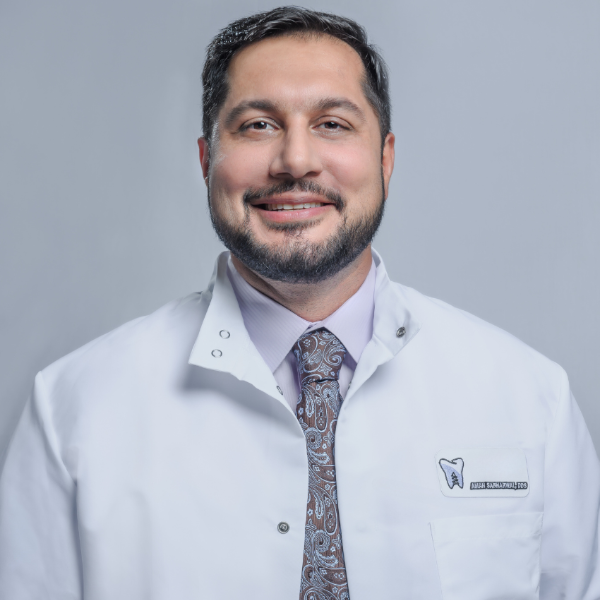
Simply Smiles Dentist, located in Ashburn, VA, is here for your whole family's dental needs, no matter what stage of life you're in. Dr. Aman Sabharwal focuses on providing personalized care to all his patients. Our practice offers both preventive and restorative treatments along with cosmetic and emergency services for confident smiles.
Visit Simply Smiles Dentist to start your family dental care plan today.