

Do You Need a Night Guard? How to Know and What to Do Next.
Find out if a night guard is what you need to safeguard your teeth. Learn about symptoms and explore practical steps to ensure your dental well-being.

You need a night guard if you wake up with jaw pain, stiffness, headaches, or facial soreness in the morning. Worn teeth, unexplained sensitivity, or your partner hearing grinding at night are other common warning signs. When this happens, dentists usually recommend an exam, a conversation about habits, and possibly a custom-fit guard.
A study from the National Library of Medicine found that 21% of people worldwide grind their teeth at night. If grinding is stealing your comfort or damaging your smile, a fitted guard can help.
Night guards protect your teeth by creating a barrier while you sleep. They can also ease jaw strain and help prevent long-term dental damage over time.
What Is a Night Guard?
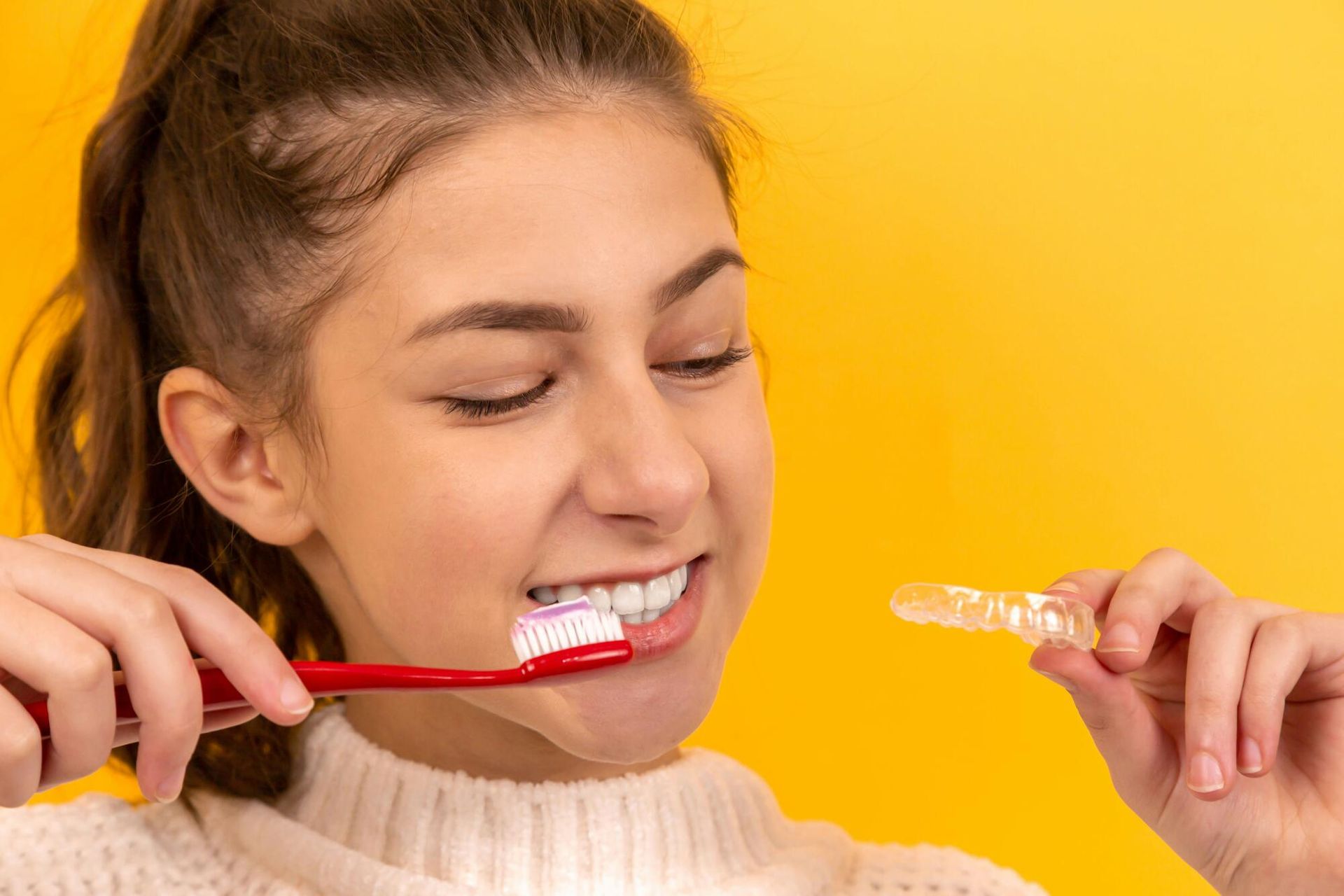
A night guard is a custom-made protective piece that covers your upper or lower teeth while you sleep. It forms a barrier that keeps your teeth from grinding against each other and cushions the pressure that builds up from clenching. At a dental care facility, your dentist designs a night guard that matches your bite exactly.
Is It Ok To Wear a Night Guard Every Night?
To reap the full benefits of night guards, dentists recommend wearing the dental appliance every night. Regular use trains your jaw to relax and helps prevent enamel wear during sleep.
Skipping nights allows pressure to build again, which can undo your progress. Your dentist may adjust how often you wear the guard based on your symptoms and bite.
What Are the Main Causes of Bruxism?
Teeth grinding, also known as bruxism, is often triggered by stress and anxiety. When tension builds in the body, the jaw muscles tighten during sleep, leading to clenching or grinding. Other causes of bruxism include:
- Bite alignment issues
- Sleep disorders such as sleep apnea
- Certain medications or substances
- Family history of grinding
If you're worried about grinding, visit your dentist for preventive dental care. Early attention helps protect your enamel and reduces the strain on your jaw over time.
Common Signs You Need a Night Guard
You might not realize you grind your teeth until your mouth starts showing the effects. Watch for these common signs that suggest you may need a night guard:
You Wake Up With Jaw Pain or Stiffness
Among other symptoms, discomfort in the jaw is often the first clue that your teeth and jaw need protection while you sleep. Jaw pain or stiffness in the morning usually means your muscles have been working hard through the night.
Constant grinding tightens the joints that connect your jaw to your skull, causing soreness that builds over time.
You Have Frequent Headaches or Facial Pain
Headaches or facial pain often come from pressure spreading from your jaw muscles to nearby areas. The pain often appears in specific spots, such as:
- The temples after waking
- The sides of the face or behind the eyes
- The base of the skull near the neck
Your Teeth Look Worn, Chipped, or Flattened
Grinding wears down enamel and changes the shape of your teeth over time. Constant force weakens their structure, leading to visible changes such as:
- Chipped or rough edges
- Flattened chewing surfaces
- Shorter-looking teeth
Using night guards for teeth grinding creates a barrier that absorbs pressure, helping preserve your natural bite and prevent more serious damage.
You Experience Tooth Sensitivity Without Cavities
Tooth sensitivity without visible decay often means your enamel has thinned from grinding. The protective layer wears away, exposing the dentin underneath, where nerves react to heat or cold. You may feel a quick, sharp ache when eating or brushing, a clear sign that your teeth need protection from constant pressure during sleep.
Your Partner Hears You Grinding at Night
Your partner may report hearing scraping or crunching sounds while you sleep, often before you even realize you grind your teeth. The noise can be sharp or rhythmic as your upper and lower teeth move against each other for long periods.
The Risks of Untreated Teeth Grinding
Teeth grinding often seems harmless at first, but its impact builds over time. Here are the main problems that can develop if the habit goes untreated:
Increased Risk of Tooth Damage
Grinding puts enormous pressure on your teeth, wearing away the enamel that protects them from decay. Without protection, the damage can show up as:
- Erosion that exposes sensitive layers
- Cracks that weaken the tooth structure
- Fractures that require repair or crowns
Using dental protection solutions, such as custom night guards, helps absorb force and prevent these problems from forming.
Jaw Joint Problems
Constant grinding strains the joints that connect your jaw to your skull, called the temporomandibular joints (TMJ). Over time, that pressure can disturb how the joints move and lead to TMJ disorders such as:
- Jaw pain when chewing or speaking
- Popping or grinding sounds near the ears
- Stiffness when opening or closing the mouth
Ongoing Pain and Discomfort
Long-term grinding keeps the muscles around your face and neck under constant tension. Over time, that tension spreads and leads to ongoing pain. You may notice the following problems getting worse without treatment:
- Morning headaches
- Aching facial muscles
- Tightness in the neck
What to Do If You Think You Need a Night Guard
When you notice signs of grinding, it's vital to act early. Here's what you can do to confirm the problem and find the right solution:
Schedule a Dental Evaluation
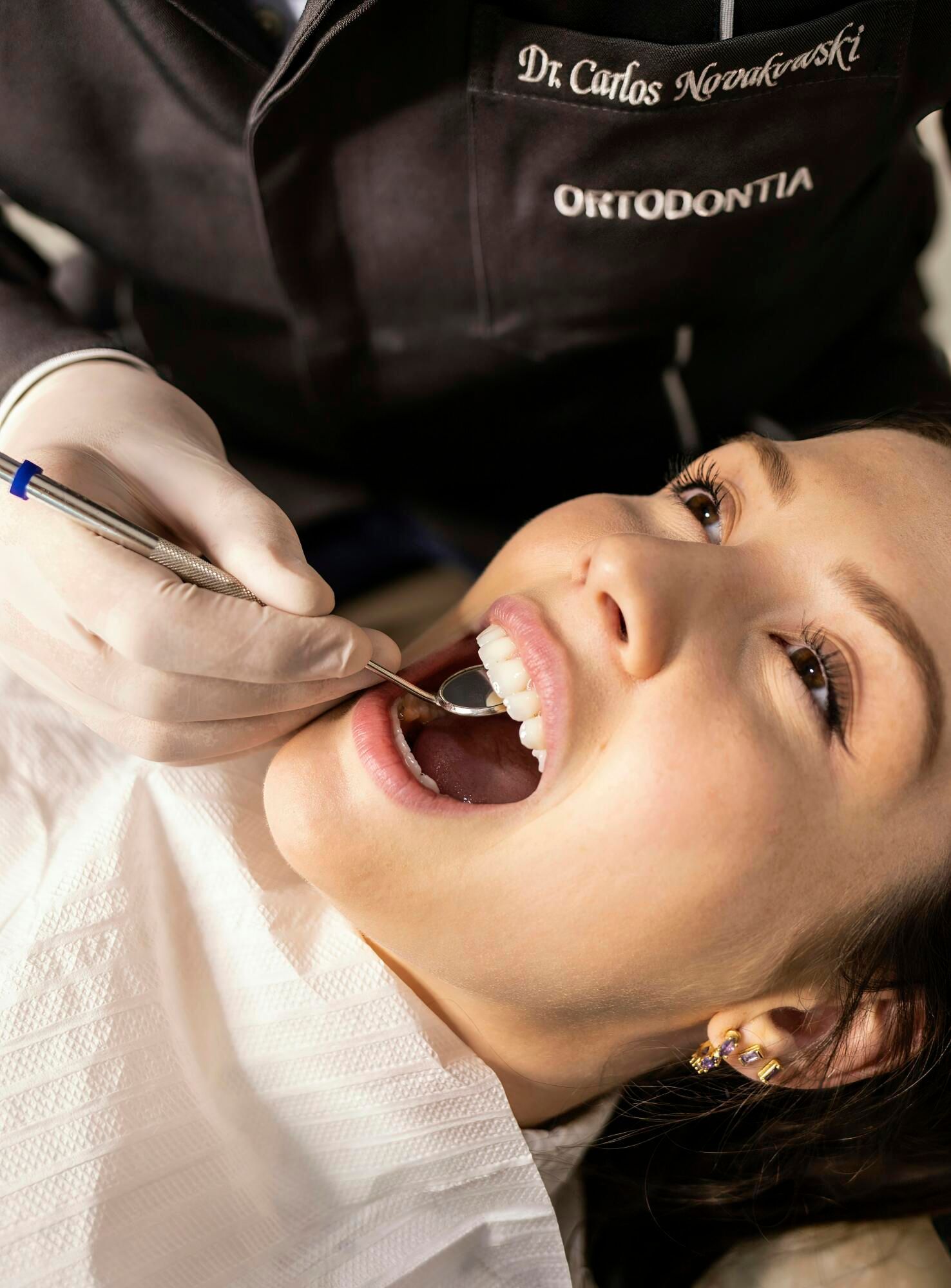
A dental visit is the first step to confirm if grinding is affecting your teeth. During your exam, the dentist assesses signs of pressure, wear, and muscle tension to determine whether a guard is needed. They focus on:
- Tooth surfaces
- Jaw movement
- Bite alignment
- Gum condition around pressure points
Discuss Your Symptoms and Habits
Sharing details about your pain, stress, and sleep quality helps your dentist understand what's driving the grinding. The more they know, the easier it is to tell whether the problem is muscle tension, stress, or an uneven bite. That insight guides the choice of guard design and ensures the treatment actually relieves pressure at its source.
Get a Custom-Fit Night Guard
A custom-fit night guard is made from a mold or scan of your teeth, giving it a precise fit that prevents shifting while you sleep. The material is firm enough to absorb pressure yet smooth enough to stay comfortable. When choosing a night guard, a tailored fit offers the best balance of comfort and protection.
Frequently Asked Questions
Is It Worth Getting a Night Guard From a Dentist?
Yes, it's worth having your night guard made by a dentist. A professional fit ensures the guard matches your bite, remains stable through the night, and protects your teeth from uneven pressure.
Custom guards also last longer and feel more natural to wear. The precise design lowers the risk of jaw strain and saves you future dental costs.
Do Night Guards Really Work?
Night guards work by separating your upper and lower teeth, stopping them from grinding together during sleep. The barrier absorbs pressure and keeps your enamel from wearing down under constant force.
They also relax your jaw muscles, easing morning pain and stiffness. With regular use, they help prevent:
- Cracking
- Sensitivity
- Long-term joint strain
Can You Still Damage Your Teeth With a Night Guard?
A poorly fitted night guard can cause new problems instead of preventing them. When it doesn't match your bite, it may create uneven pressure that irritates your mouth or shifts your teeth. You might experience:
- Jaw soreness
- Gum irritation
- Bite changes
A properly fitted guard avoids these risks and keeps your teeth fully protected during sleep.
How Do You Choose the Right Night Guard?
The right guard depends on how often you grind, the force of your bite, and your dental structure. Your dentist can guide you after checking your teeth and jaw movement. When deciding, consider the following:
- Material strength and thickness
- Secure fit during sleep
- Ease of maintenance
A custom-made option usually gives the safest, longest protection.
How Do You Take Care of Night Guards?
Keeping your night guard clean stops bacteria from building up and prevents odors. Follow these steps each morning:
- Rinse it under cool water
- Gently brush it with a soft toothbrush and mild soap
- Let it air dry before storing
Ensure you preserve it in a ventilated case to keep it fresh and ready for use.
How Do I Know if I Need a New Night Guard?
You'll know it's time to replace your night guard when it loses shape or starts to feel loose. Also watch for these clear signs:
- Cracks or worn spots
- Rough edges that rub your gums
- Discomfort when biting down
A worn guard can't protect your teeth effectively and should be replaced.
Protect Your Smile With a Custom Night Guard
Grinding may seem harmless, but over time, it can wear down your teeth, strain your jaw, and cause lasting discomfort. A night guard protects against these problems by easing pressure, preventing enamel loss, and letting your jaw rest.
At Simply Smiles Dentistry, Dr. Sabharwal and our team design custom night guards that fit comfortably and protect effectively. Dr. S is a member of the American Dental Association and the Academy of General Dentistry, reflecting expertise in modern dental practice. Contact us to schedule your consultation and break free from pain and tension.